
Perimenopause and menopause are significant chapters in a woman’s life, often accompanied by a complex mix of physical and emotional changes. As a Titled Pelvic Health and Musculoskeletal Physiotherapist and as a woman who has been through the transition myself, I have a unique and powerful role in supporting women through these transitions—helping them manage symptoms, strengthen their bodies, and maintain a healthy, active, and fulfilling lifestyle.
In this post, I will explore what these phases actually entail, break down the common symptoms, and highlight exactly how physiotherapy can make a profound difference.
Understanding the Transition: Perimenopause vs. Menopause
Many women use these terms interchangeably, but they represent different stages of the hormonal shift:
-
Perimenopause: Meaning “around menopause,” this refers to the transitional period leading up to the final menstrual cycle. Women can start experiencing symptoms up to 10 years before menopause actually occurs.
-
Menopause: This is the specific point in time that marks the end of a woman’s menstrual cycles, officially defined as the absence of periods for 12 consecutive months. In Australia, the average age for this transition is between 50 and 52.
What’s happening to me? During this time, the body’s production of key hormones—including oestrogen and progesterone—begins to fluctuate unpredictably, triggering a wide variety of symptoms. At menopause when menstruation finally stops, oestrogen levels fall substantially, which can cause symptoms such as hot flushes, night sweats and vaginal dryness. Interestingly, new research by Wang et al (2026) recently published in The Lancet journal eBioMedicine, shows testosterone doesn’t change like oestrogen when women reach perimenopause or menopause. Rather, testosterone declines with age.
Common Symptoms at a Glance
The hormonal rollercoaster can impact almost every system in the body. Women commonly report a combination of the following:
| Symptom Category | Common Experiences |
| Physical & Metabolic | Hot flushes, night sweats, sudden flushing, and noticeable changes in body composition. |
| Musculoskeletal | Generalised muscle and joint pain, stiffness, and accelerated bone density loss (increasing the risk of osteopenia and osteoporosis). |
| Pelvic & Urinary | Genitourinary symptoms, including vaginal dryness causing painful intercourse or vulval discomfort, changes in bladder habits and prolapse. |
| Cognitive & Emotional | “Brain fog,” sleep disturbances/insomnia, anxiety, depression, irritability, anger and feelings of vulnerability. |
How Physiotherapy Can Help You Thrive
Physiotherapy is about far more than just treating injuries or problems. It is an instrumental tool for symptom management and improving your overall quality of life during this transition. Here is how I can support you:
1. Tailored Exercise Prescription
Hormonal drops can lead to a loss of muscle mass and bone density. Strength training is a proven antidote, helping to stimulate bone growth and alleviate various perimenopausal symptoms. I can work with you to design a personalised program combining strength and cardiovascular fitness tailored specifically to your current fitness level and goals, while taking into account your pelvic floor function.
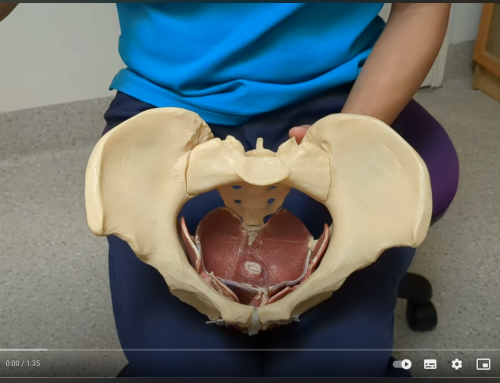
2. Pelvic Floor Health & Support
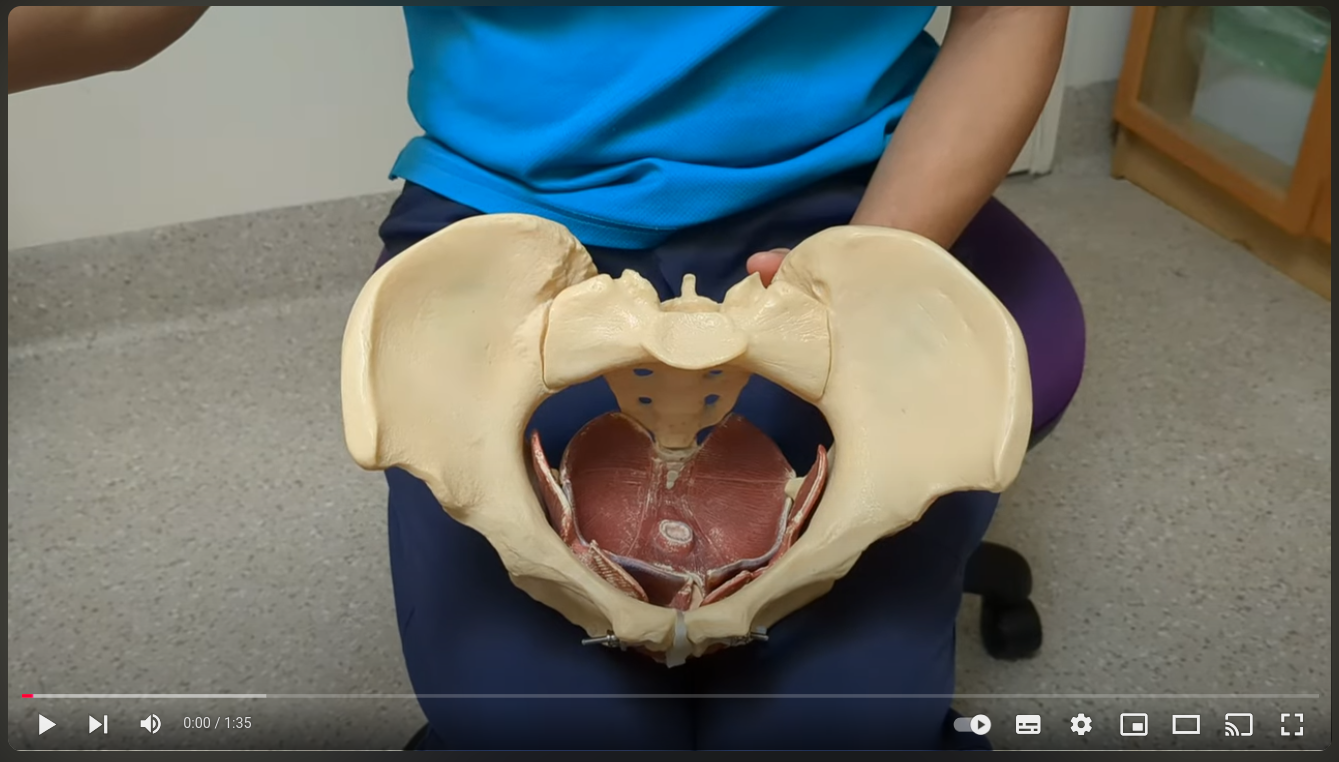
Fluctuating oestrogen levels can weaken the pelvic floor muscles, sometimes resulting in urinary urgency, frequency, vaginal dryness resulting in painful intercourse or burning, stress incontinence and prolapse. I can guide you through proper pelvic floor rehabilitation and individualise your treatment to strengthen these muscles, improve bladder control, and enhance your sexual health.
3. Education and Lifestyle Factors
Knowledge is power. Beyond physiotherapy, I provide essential education on lifestyle factors: from managing sleep hygiene to working out how you can thrive during perimenopause and menopause, giving you the tools to take control of your well-being.
Your Next Steps
You do not have to simply “tough it out” through perimenopause and menopause. Your body is changing, and your physical and mental health care routine should change with it.
Are you ready to build a stronger, more resilient version of yourself? Get in touch with me today to schedule a pelvic floor assessment, and let’s build a personalised plan to keep you moving comfortably through this transition.

Edwina Chan is a Titled APA Pelvic Health and Musculoskeletal physiotherapist who specialises in pelvic health issues and musculoskeletal problems. She has been a physio for 26 years and has worked in the field of Pelvic Health since 2009.